
Our
WINERY
Malbec is incredibly versatile. It can be used to make wines that are easy, friendly, and expressive, as well as those with greater complexity and structure. It's fascinating.
Hector Scarsi
Agricultural Engineer and Winemaker at Finca Reiquehue.
We specialize in Malbec
We are a boutique winery with a capacity of only 60,000 liters. We have the necessary technology that allows us to focus all our efforts on crafting our best Malbec.
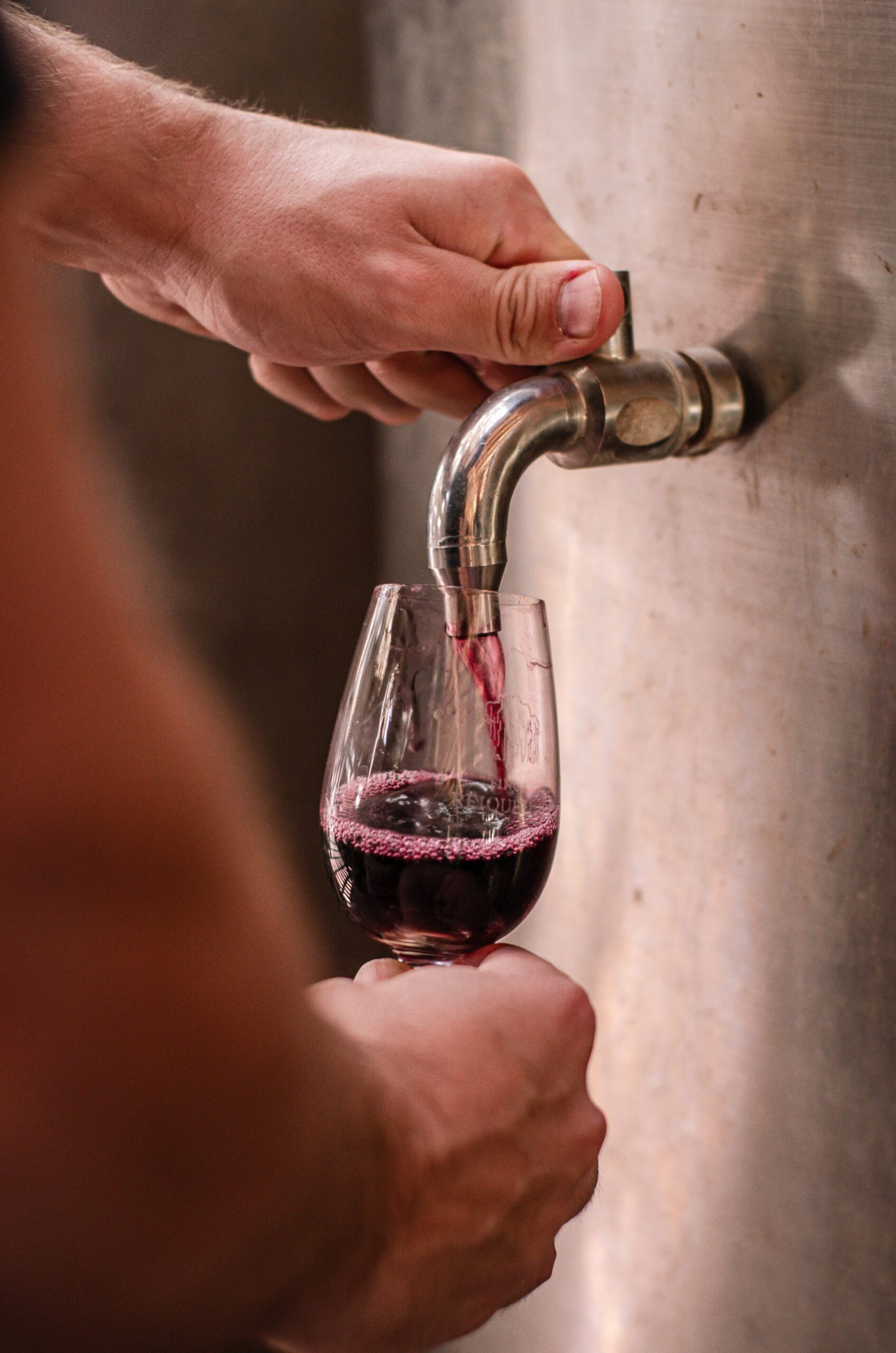
We have concrete vats and stainless steel tanks with a capacity of no more than 10,000 liters, which allow us to vinify the grapes from different plots separately, keeping their qualities intact.
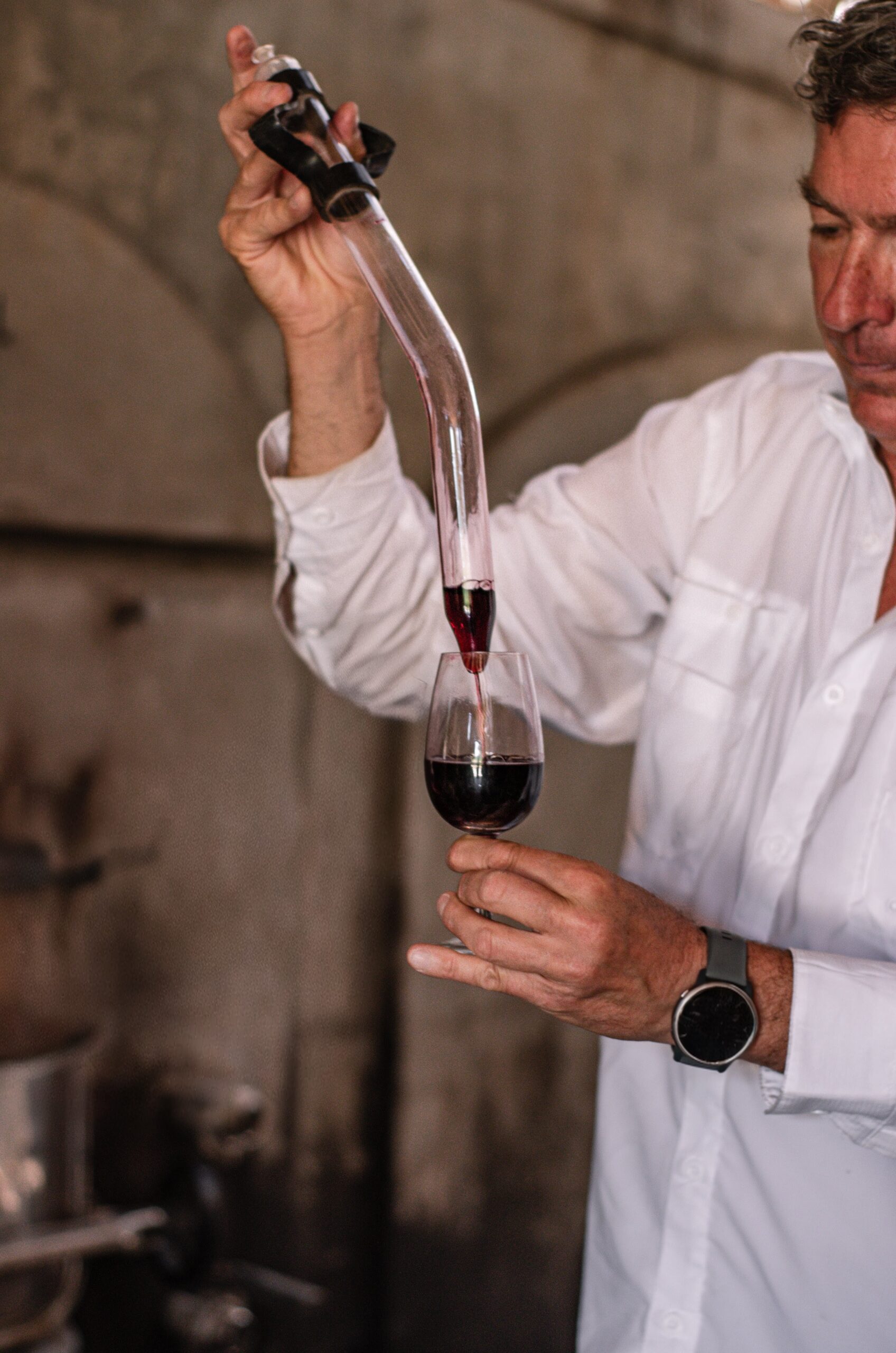
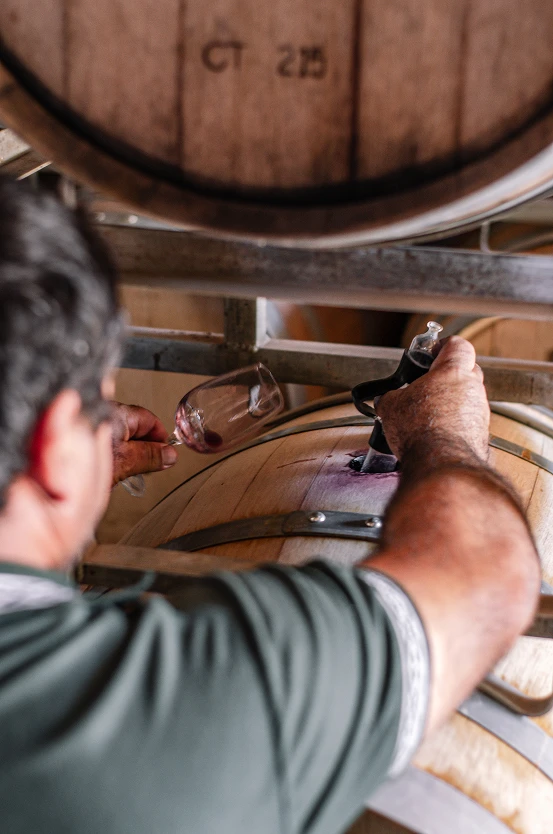
For the production of premium wines, we use 225-liter French and American oak barrels. The aging time is a decision that is made as time passes and the evolution of the wine is observed sensorially. During this process, each barrel is identified by its qualities, setting aside those that stand out, opening up the possibilities for limited and exclusive production.
Identifying the potential of each wine and blending them is part of the art of winemaking in Héctor's hands.
FROM THE VINEYARD
TO THE WINE CELLAR
This is how they are born
Our wines
01
Harvest and transport to the winery
The harvest is carried out manually in baskets containing 12 kg of grapes each to prevent damage from crushing. These are immediately transferred to the winery, preserving the quality of the harvested product. The grapes are ready to begin the selection process minutes after being separated from the vine.
02
Selection of bunches
03
Alcoholic fermentation
The grapes are inoculated with selected yeasts and transferred to fermentation tanks, where alcoholic fermentation begins, a biological process in which yeasts transform the sugars in the grapes into alcohol.
During this process, daily pumping over is carried out—more frequently at the beginning and less towards the end—which consists of pumping the must from the bottom of the tank to wet the cap of skins formed by CO₂. These practices allow key compounds such as anthocyanins and tannins to be extracted, the temperature to be regulated, and the cap to be kept moist.
This set of operations is called fermentative maceration.
04
Post-fermentation maceration
05
Discover
The wine is separated from the solids, obtaining what is known as "free-run wine," which is the wine that results from gravity extraction, i.e., without pressing.
06
Storage and malolactic fermentation
The wine is stored in concrete vats and stainless steel tanks during the winter. When daytime temperatures begin to rise in early spring, malolactic fermentation occurs naturally and automatically. This fermentation consists of the production of lactic acid from malic acid. This process is sought after as it gives the wine greater smoothness on the nose and palate.
07
Aging
Once malolactic fermentation is complete, the aging process begins for each of the wines that make up our product range.
Harvest and transport to the winery
The harvest is carried out manually in baskets containing 12 kg of grapes each to prevent damage from crushing. These are immediately transferred to the winery, preserving the quality of the harvested product. The grapes are ready to begin the selection process minutes after being separated from the vine.
Selection of bunches
Once in the winery, leaves, branches, impurities, etc. are removed on a sorting belt, leaving only healthy, clean bunches.
Alcoholic fermentation
The grapes are inoculated with selected yeasts and transferred to fermentation tanks, where alcoholic fermentation begins, a biological process in which yeasts transform the sugars in the grapes into alcohol.
During this process, daily pumping over is carried out—more frequently at the beginning and less towards the end—which consists of pumping the must from the bottom of the tank to wet the cap of skins formed by CO₂. These practices allow key compounds such as anthocyanins and tannins to be extracted, the temperature to be regulated, and the cap to be kept moist.
This set of operations is called fermentative maceration.
Post-fermentation maceration
The grapes are inoculated with selected yeasts and transferred to fermentation tanks, where alcoholic fermentation begins, a biological process in which yeasts transform the sugars in the grapes into alcohol.
During this process, daily pumping over is carried out—more frequently at the beginning and less towards the end—which consists of pumping the must from the bottom of the tank to wet the cap of skins formed by CO₂. These practices allow key compounds such as anthocyanins and tannins to be extracted, the temperature to be regulated, and the cap to be kept moist.
This set of operations is called fermentative maceration.
Discover
The wine is separated from the solids, obtaining what is known as "free-run wine," which is the wine that results from gravity extraction, i.e., without pressing.
Storage and malolactic fermentation
The wine is stored in concrete vats and stainless steel tanks during the winter. When daytime temperatures begin to rise in early spring, malolactic fermentation occurs naturally and automatically. This fermentation consists of the production of lactic acid from malic acid. This process is sought after as it gives the wine greater smoothness on the nose and palate.
Aging
Once malolactic fermentation is complete, the aging process begins for each of the wines that make up our product range.